Exploring the Subtle Flavors of Light Roast Beans
Coffee is not just a beverage; it’s a global passion. Among the myriad ways to appreciate this beloved drink, understanding the distinct qualities of light roast beans offers coffee aficionados a fresh perspective on flavor complexity and aromatics. In this detailed exploration, we’ll dive deep into the world of light roast coffee, unpacking its unique characteristics, brewing techniques, and why it might just become your new favorite morning brew.
What Are Light Roast Beans?
Light roast coffee beans are roasted for a shorter period compared to darker roasts. This process typically ends immediately after the first crack—a pivotal moment in roasting when the beans expand and crackle. The result is a bean that retains much of its original flavor, including the intricate nuances dictated by its origin and varietal characteristics.
Characteristics of Light Roast Coffee
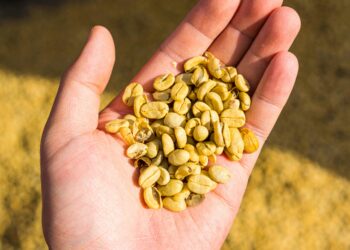
These beans are often lighter in color with a matte finish, lacking the oily surface seen in darker roasts. The flavor profile is noted for its complexity and brightness, typically offering a higher acidity that is often perceived as a sharp, satisfying snap on the palate. Fruit, floral, and even nutty notes are predominant, reflecting the genuine essence of the coffee cherry.
Unpacking the Flavor Profile
The nuanced flavors of light roast beans vary widely depending on their source. Here’s a closer look at what you can expect:
1. African Beans
Coffees sourced from African countries like Ethiopia or Kenya are famous for their fruity and floral profiles, with hints of berry, citrus, and complex wine-like notes that are especially pronounced in light roasts.
2. Central and South American Beans
Beans from Colombia, Brazil, and other Latin American countries often deliver nuts and chocolate undertones that blend beautifully with slight toasty and caramelized flavors inherent to light roasts.
3. Asian Beans
Regions such as Sumatra and Java produce coffees that, when lightly roasted, can offer an intriguing mix of earthiness, herbs, and a unique spicy twist, distinct from their Latin and African counterparts.
Brewing the Perfect Cup of Light Roast Coffee
Extracting the best flavor from light roast beans requires specific brewing techniques. Here are some methods that can help enhance your coffee experience:
Pour-Over Technique
Possibly the best method for brewing light roasts, the pour-over technique allows for precise control over water temperature and pour rate, which is crucial for extracting the bright and complex flavors of light roast beans.
Aeropress
This brewing method is favored for its ability to produce a clean, rich cup that highlights the delicate nuances of light roast coffee without introducing bitterness.
Cold Brew
While unconventional for light roasts, cold brewing can soften the acidic edge while amplifying inherent sweet and floral notes, making for a refreshing coffee experience.
Health Benefits and Antioxidant Properties
Light roast coffee not only tastes great but it’s also good for you. Roasting for a shorter time preserves many of the beans’ natural antioxidants, which are substances known to protect your cells against damage. Studies suggest that light roast coffee can offer a higher concentration of chlorogenic acid, known for its potential in reducing inflammation and supporting cardiovascular health.
Common Questions About Light Roast Coffee
Is light roast coffee stronger in caffeine?
Yes, light roasts tend to retain slightly more caffeine than their darker counterparts. However, the difference is minimal, and the brewing method can influence the final caffeine content more dramatically.
Does light roast coffee taste bitter?
Contrary to popular belief, light roasts can be less bitter than dark roasts if properly brewed. The key is managing the water temperature and brewing time to avoid over-extraction.
How should I store light roast coffee beans?
To preserve their freshness and flavor, store light roast beans in a cool, dark place in an airtight container. Avoiding exposure to air, heat, and light helps maintain their quality over time.
Exploring Beyond the Bean
The journey into the art of light roast coffee doesn’t stop at brewing; it extends into how it impacts global coffee cultures, shapes consumer preferences, and even influences the environment. As consumers continue to seek out high-quality, specialty coffee experiences, light roast beans stand out for their ability to encapsulate the true essence of the coffee fruit.
Whether you’re a casual coffee drinker or a seasoned connoisseur, experimenting with light roast beans can provide a delightful change of pace and palette. With its vibrant flavors and health benefits, light roast coffee clearly deserves its shining moment in the coffee spotlight.