Creamy Delights: Exploring the Art of Coffee With Milk Recipes
Introduction
Coffee, the elixir that fuels our days, has been a beloved beverage around the world for centuries. But when combined with milk, it transforms into an array of delicious, creamy delights that cater to diverse palates. This exploration into coffee with milk recipes not only serves as a guide to creating some of the most popular milk-based coffee drinks but also answers common questions about techniques and ingredients. Whether you’re a seasoned barista or a home coffee enthusiast, mastering these creamy concoctions can elevate your coffee experience.
The Basics of Milk and Coffee
Understanding Milk Types
The type of milk used in coffee can significantly affect the texture and overall taste of the drink. Common options include:
- Whole Milk: Offers a rich, creamy texture due to its higher fat content.
- Skim Milk: Provides a lighter texture and less creamy taste.
- Plant-Based Milks: Almond, soy, oat, and coconut milk are popular dairy-free alternatives, each adding its unique flavor and consistency.
The Role of Milk Temperature
The temperature of milk is crucial in determining the quality of your coffee. Scalded milk can ruin the flavor, while milk that is not hot enough might lead to an underwhelming experience. Ideally, milk should be steamed to a temperature between 150°F and 155°F to achieve the optimal balance of sweetness and creaminess.
Popular Coffee With Milk Recipes
Classic Cappuccino
A balanced blend of espresso, steamed milk, and milk foam, the cappuccino is a staple in coffee culture worldwide. To make a classic cappuccino:
- Prepare an Espresso: Start with a strong shot of espresso as the base.
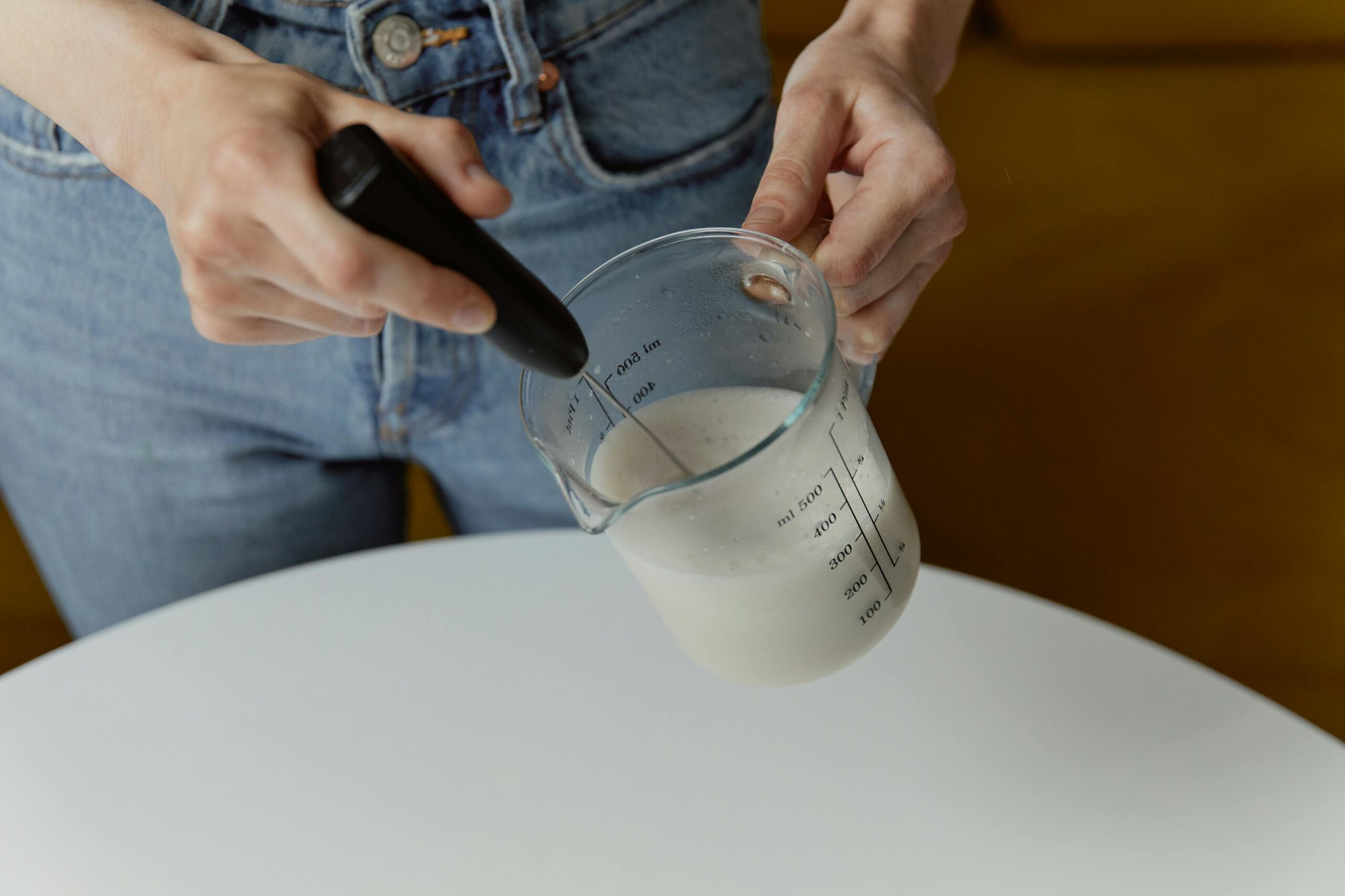
- Steam the Milk: Heat the milk to create a velvety microfoam.
- Combine: Pour the steamed milk over the espresso, topping it with a thick layer of foam.
Luxurious Latte
The latte takes creaminess to another level, focusing more on steamed milk mixed with a touch of espresso. Here’s how to craft the perfect latte:
- Brew the Espresso: Make a rich, robust shot of espresso.
- Steam More Milk: Compared to a cappuccino, use more milk and less foam.
- Mix Gently: Pour the espresso into the steamed milk delicately to create a soothing blend.
Velvety Flat White
Originating from Australia and New Zealand, the flat white offers a strong coffee flavor with a velvety texture, featuring a higher ratio of coffee to milk. To create this:
- Double Espresso: Start with a double shot of espresso for a more pronounced flavor.
- Steam the Milk: The milk should be steamed to a silky microfoam, slightly creamier than that of a latte but without the stiff foam of a cappuccino.
- Serve: Pour the microfoam milk into the coffee and let the creaminess unfold.
Advanced Milk Techniques
Creating Latte Art
Adding an aesthetic touch to your coffee, latte art requires practice and precision. It involves pouring steamed milk into espresso in such a way that it forms beautiful patterns on the surface. Beginners can start with simple designs like a heart or rosetta and gradually progress to more intricate patterns.
Choosing the Right Tools
For those serious about their milk-based coffee drinks, investing in a good espresso machine with a powerful steam wand is essential. Additionally, using the correct milk pitcher, typically with a pointed spout, can facilitate easier pouring for latte art.
FAQs About Coffee With Milk Recipes
Can I make good coffee with milk recipes using instant coffee?
While instant coffee can be used in a pinch, fresh espresso or brewed coffee typically provides a richer flavor profile necessary for these creamy drinks.
What is the best milk alternative for coffee?
This can depend on personal taste preference, but oat milk is renowned for its ability to mimic the creaminess and texture of whole milk, making it a popular choice among vegans and those with dairy intolerances.
Conclusion
Exploring the art of coffee with milk opens up a world of sensory delights, from the robust charm of a flat white to the delicate finesse of lattes and cappuccinos. With a basic understanding of how different types of milk interact with coffee and mastering some essential barista skills, you can bring the café experience into your home. So why not start experimenting with these recipes and indulge in the creamy pleasures of milk-infused coffee?