Unlocking the Secrets of Espresso Beans: A Deep Dive into Flavor and Aroma
For coffee enthusiasts and casual drinkers alike, espresso represents the quintessence of coffee’s potential. Made from the same beans as regular coffee, espresso is distinguished by its unique brewing method—which extracts an intense flavor and a rich aroma that captivates the senses. In this detailed exploration, we’ll uncover the nuances that differentiate espresso beans, discuss how they contribute to the beloved complexity of espresso, and provide insights to help you enhance your own espresso experience.
The Distinct Nature of Espresso Beans
Though technically any coffee bean can be used to make espresso, beans labeled “espresso” are not a different species; rather, they are often blends crafted to achieve a balance in flavor, body, and acidity when brewed under pressure. The choice of bean variety (Arabica, Robusta, or a mix), the roast level, and the origin play pivotal roles in flavor development.
Understanding Bean Varieties
Arabica beans are prized for their smooth, complex flavor profiles featuring hints of fruit and sugar, with higher acidity and lower bitterness. Robusta beans, on the other hand, offer a stronger, harsher taste with a creamy texture, higher body, and higher caffeine content. Blends of these two are common in espresso to balance flavor and body.
Impact of Roasting on Espresso Beans
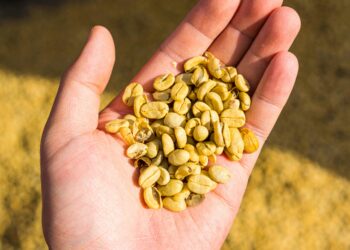
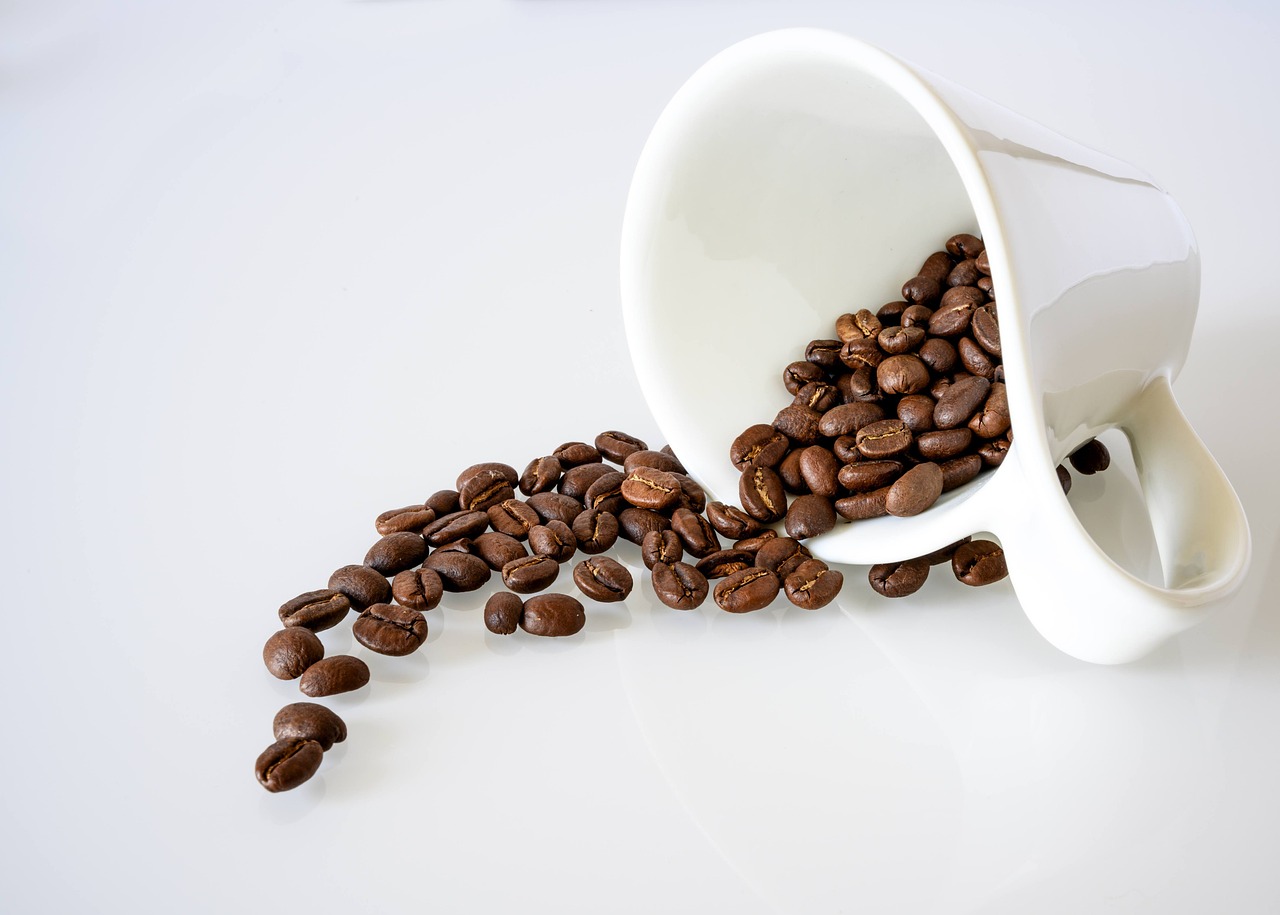
Roasting transforms green coffee beans into the aromatic, flavorful beans used in coffee making. Darker roasts are typically used for espresso due to their oilier surface and bolder taste, which stands up well to the intense brewing process. The roast level also significantly impacts the bean’s bitterness and acidity, critical for the espresso’s final taste.
Crafting the Perfect Espresso Blend
The art of creating a perfect espresso blend involves balancing multiple factors. Master roasters experiment with various combinations of bean origins and roasts to achieve a specific taste profile, often aiming for a strong body, a delicate balance of sweetness and acidity, and aromatic complexity.
Role of Bean Origin
Single-origin espresso offers a pure taste reflective of the bean’s growing region, yielding distinct flavors such as floral, fruity, or earthy notes. Blends, however, allow roasters to marry flavors from different origins, creating a rounded, complex product that delivers a consistent taste ideal for espresso.
The Brewing Process: Extracting Rich Flavors
Espresso is brewed by forcing hot water through finely-ground coffee at high pressure. This method extracts not only deep flavors but also the aromatic oils and compounds that are not accessible through other brewing methods, leading to that characteristic espresso crema and intense flavor.
Grind Size and Extraction
The grind size for espresso is significantly finer compared to other coffee-brewing methods. A fine grind allows the hot water to stay in contact with the coffee just long enough to extract the right amount of flavors, while a coarse grind might lead to a weak espresso.
The Sensory Experience: Flavor and Aroma
Espresso’s appeal lies heavily in its complex interplay of flavors and aromas. From the first inhale, espresso should deliver a robust aroma that hints at its underlying flavors, ranging from chocolatey and nutty to spicy and fruity, depending on the bean and roast.
Tasting Notes and Aroma Profiles
Each sip of espresso can convey multiple layers of flavors. Early tastes are often bright and acidic, transitioning into a sweet or balanced body, and finishing with a lingering bitterness or a clean aftertaste, which aficionados cherish.
FAQs About Espresso Beans
What are the best espresso beans?
The “best” espresso beans depend on personal preference. However, a good rule of thumb is to look for fresh, well-roasted beans from reputable suppliers that offer the flavor profiles that suit your tastes.
How should espresso beans be stored?
To preserve their freshness, store espresso beans in a cool, dark place in an air-tight container. Coffee beans are porous and can absorb flavors from their environment, so good storage is crucial.
Can I make regular coffee with espresso beans?
Yes, espresso beans are coffee beans, and you can use them to make regular coffee. The resulting beverage will have a fuller body and potentially a different flavor profile compared to using beans roasted specifically for standard coffee brewing methods.
Conclusion
Understanding the complexities of espresso beans enriches not only your palate but also your appreciation for the craftsmanship involved in espresso preparation. From the strategic blend of the right bean varieties and roasts to the precision of the brewing process, each step is a testament to the art and science of coffee. Whether you’re a seasoned barista or a home enthusiast, delving deeper into the world of espresso can transform your coffee experience.
With this knowledge, you’re better equipped to select, brew, and enjoy the vibrant world of espresso, ensuring every cup is as delightful as the last.